Drunk Calculator

www.DrunkCalculator.com
Please remember or bookmark our site!

Loading...

BAC Effects Chart
BAC LevelEffects & Symptoms
0.00-0.04%• Euphoria, relaxation, and a sense of warmth
0.05-0.08%• Decline in judgment and self-control
• Slurred speech and slower reaction times
• Increased euphoria and confidence give way to increased intoxication (you think "one more" is a great idea)
0.09-0.13%• Driving is illegally impaired (0.08% BAC legal limit in most countries)
• Judgment and self-control are impaired
• Nausea, dizziness, and vomiting may occur in inexperienced drinkers
• Emotions become harder to control (aggressiveness, anxiety, or depression)
0.14-0.32%• High risk of accidents and confusion
• Blackouts (you're awake, but nobody is home)
0.33%+• Your mental, physical, and sensory functions are severely impaired
• Acute alcohol poisoning can occur (coma, seizures, respiratory failure → a lack of oxygen to the brain)

Blog

read our blog →

Best Breathalyzers

featured bar tools

Understanding Blood Alcohol Concentration (BAC)

Blood Alcohol Concentration (BAC) is just a fancy way of saying how much alcohol is floating around in your bloodstream. If your BAC is 0.10%, that means for every 1,000 parts of blood, there's one part of pure alcohol. Police and medical pros use this number to figure out exactly how intoxicated someone is.

Most of us know the 0.08% limit for driving, but your brain actually starts slipping way before that. Even at 0.04%, you might notice your decision-making gets a little fuzzy or your balance isn't quite as sharp.

How This Calculator Works

Our tool runs on the Widmark Formula—basically the gold standard scientists use to estimate blood alcohol. It doesn't just guess; it looks at how your specific body processes a drink and burns it off over time.

Key Factors We Look At:

  • Body Weight: Lighter bodies have less water to dilute the alcohol, so BAC tends to shoot up faster compared to a heavier person drinking the same amount.
  • Gender: Biological differences matter here. Men and women metabolize alcohol differently due to body composition and enzymes.
  • Time: The clock is your best friend. Your body works constantly to burn off booze, typically lowering your BAC by about 0.015% every hour.
  • Drink Strength (ABV): The Alcohol By Volume percentage drastically changes how much pure alcohol you are consuming. An IPA hits way harder than a light lager.

Why Your Estimate Can Be Off

BAC calculators are useful for education and planning, but they are not breathalyzers. Even perfect drink counting can still be wrong because real metabolism isn't a fixed number.

Common reasons your real BAC differs:

  • Pour size errors: Mixed drinks and “heavy pours” can turn one drink into two (or more).
  • ABV surprises: Craft beer, high-ABV IPA, and strong cocktails can be much stronger than the label in your head.
  • Absorption timing: Food slows absorption, but it doesn't prevent intoxication—it delays it.
  • Body differences: Sleep, hydration, stress, medications, and genetics can change how you feel at the same BAC.

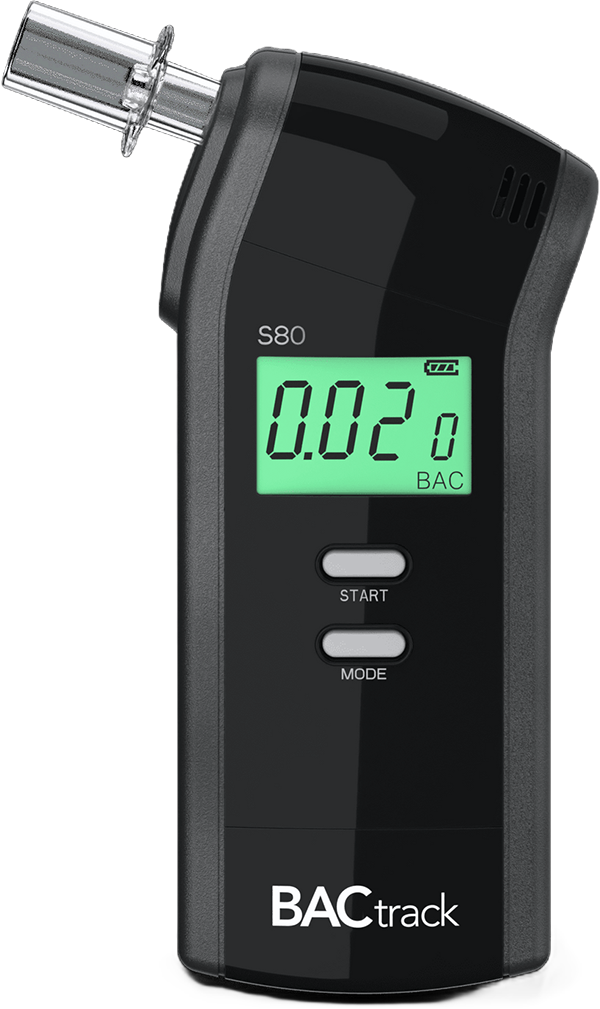
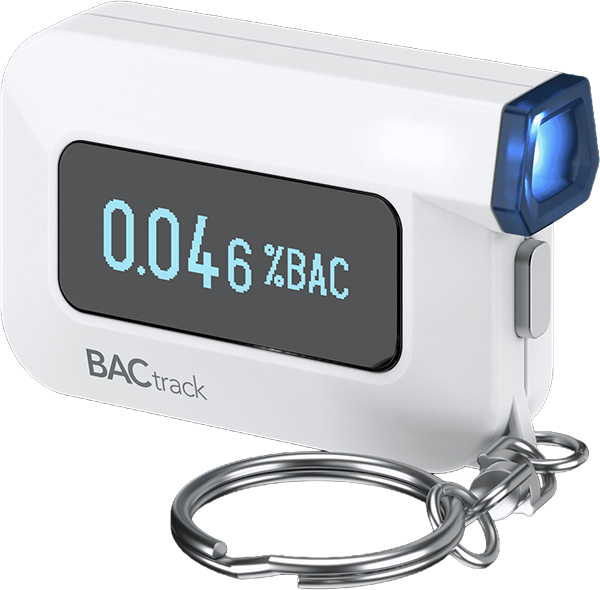
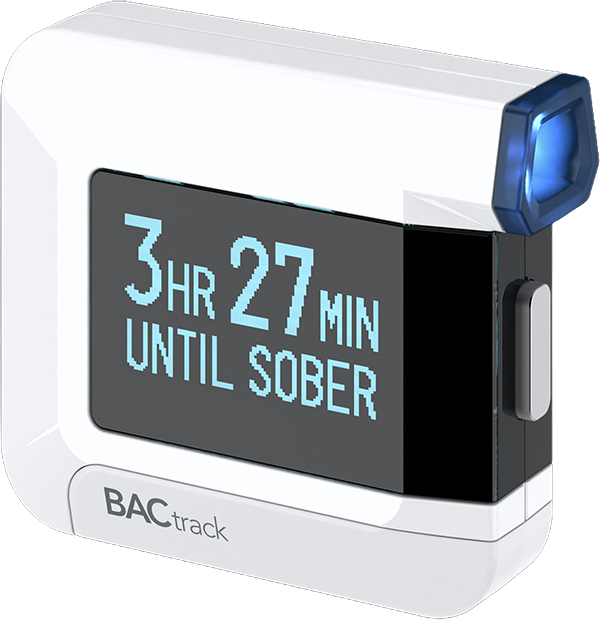
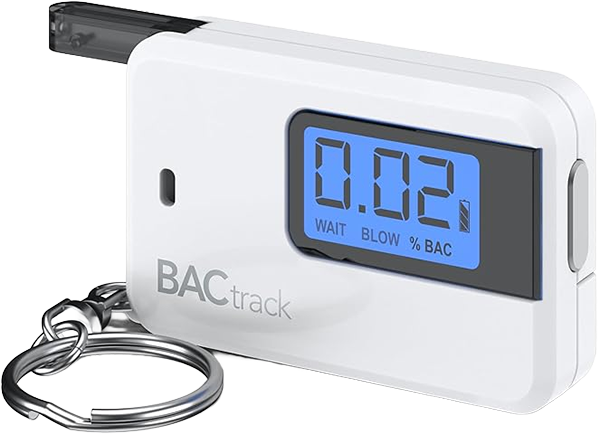
For a real measurement, use a certified tester. We reviewed the best breathalyzers for personal use.

What Is A Standard Drink?

Pour sizes can be deceiving. In the US, a "standard drink" has about 14 grams of pure alcohol. But unless you're measuring, it's easy to accidentally pour a double. Here is what a standard drink usually looks like:

Drink TypeVolumeTypical ABV
Regular Beer12 oz5%
Wine5 oz12%
Hard Liquor1.5 oz40% (80 proof)

Heads up: Craft beers, strong wines, and heavy-handed mixed drinks often blow past these limits. Always check the ABV if you can.

Variables That Affect Intoxication

No calculator is perfect because every human body is a little weird and different. Here are the big variables that change the game:

  • Food: Drinking on an empty stomach causes alcohol to be absorbed rapidly. Eating a full meal before drinking slows this process down.
  • Weight: Lighter people get drunk faster and are more affected by alcohol than heavier people.
  • Medication: Mixing pills and alcohol is a gamble. Some meds amp up the alcohol's effect or cause bad reactions. Be careful.
  • Tolerance: If you drink often, you might not feel as drunk at high levels, but legally and physically, your reactions are still compromised.

Common Myths vs. Reality

We've all heard the "tricks" to getting sober faster.. chug coffee, take an ice-cold shower, maybe eat a greasy burger. But here's the honest truth: none of that actually lowers your BAC. Time is literally the only thing that works.

  • Coffee: Caffeine might wake you up, but you'll just be a wide-awake drunk. It doesn't sober you up.
  • Cold Showers: It'll shock you awake, sure, but your liver keeps working at its own steady pace regardless of how cold you are.
  • Greasy Food: Eating after you're drunk doesn't help much. Food only helps if it's in your stomach before you start drinking.
  • Vomiting: It stops more alcohol from getting into your system, but it won't remove what's already in your blood.

Understanding how long alcohol stays in your system is crucial. For a deeper look, check out our guide on how long being drunk actually lasts.

Alcohol Detection Windows

You might feel totally fine, but that doesn't mean the alcohol is gone. If you have a workplace test or a legal situation coming up, it's worth knowing that alcohol hangs around in your system longer than the buzz does.

  • Breath: Alcohol can show up on your breath for up to 24 hours. Curious about personal testers? We reviewed the best breathalyzers available.
  • Urine: Standard tests pick it up for 12-48 hours. The more advanced ones (EtG) can find it up to 80 hours later.
  • Blood: It leaves the blood fairly quickly (about 0.015% per hour), but depending on how much you drank, it can be detectable for up to 12 hours.
  • Hair: Hair follicle tests can reveal alcohol use for up to 90 days.

Jail Time & Penalties

Getting caught driving under the influence changes your life instantly. It's not just a ticket; it's a criminal offense that can land you behind bars.

  • First Offense: Even if it's your first time, many states mandate jail time (often 24-48 hours), large fines, and license suspension.
  • High BAC: If you blow above 0.15%, you are looking at "aggravated" charges. This usually means mandatory minimum jail sentences and stricter probation.
  • Repeat Offenses: A second or third DUI often leads to months or years in prison, felony charges, and permanent loss of your license.
  • The Cost: Beyond jail, a DUI can cost at least $10,000. Read more about jail time and BAC penalties.

Laws vary wildly by state. Check out our deep dive on the history of drunk driving laws to see how we got here.

The only 100% safe limit for driving is zero. If you're drinking, just plan your ride home before you start. It's way cheaper than a DUI.

FAQ

How many drinks puts you at 0.08%?

There isn't one number. Weight, time, ABV, and drink size matter. A common mistake is assuming “a beer is a beer”—many are 7–9% ABV. If you want a deeper explanation, read how many shots get you drunk.

Does coffee, food, or a shower lower BAC?

No. Those can change how you feel, but your liver clears alcohol on its own schedule. Time is what lowers BAC.

How long until I'm sober?

A rough rule is that BAC drops around 0.015% per hour, but that varies. Use the graph to estimate timing, then add a safety buffer.

Is it safe to drive if my estimate says I'm under 0.08%?

No. You can be impaired below 0.08%, legal limits vary, and this is only an estimate. If you drank, plan a ride—don't gamble.